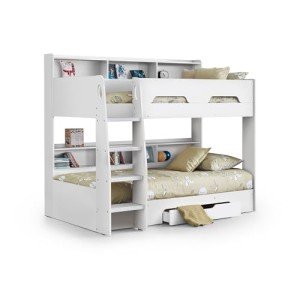
How To Solve Issues With Kid Bunk Beds
The Ultimate Guide to Kid Bunk Beds: Navigating Safety, Style, and Function
Bunk beds have actually long been a popular choice for children's spaces, specifically in homes where area is restricted. These versatile pieces of furnishings not just take full advantage of the available area however also include a lively and adventurous aspect to a child's bed room. Nevertheless, picking the best bunk bed can be a complicated task, offered the variety of alternatives and the value of security. This guide intends to offer parents with comprehensive info on kid bunk beds, covering whatever from style considerations to security suggestions and often asked questions.
The Benefits of Bunk Beds
Area Efficiency
- Bunk beds are ideal for little rooms or homes with restricted space. They enable two children to sleep in the exact same area that would typically accommodate only one bed.
- This can be particularly helpful in shared bed rooms, rental homes, or homes with multiple children.
Affordable
- Buying a bunk bed is typically more cost-effective than buying two different beds, specifically when thinking about the extra storage and practical features many bunk beds offer.
- They are also an excellent investment for growing households, as they can be utilized for many years to come.
Motivates Independence and Responsibility
- Bunk beds can help children develop a sense of self-reliance and responsibility. Each child has their own designated space, which can motivate them to keep their location tidy and organized.
- Climbing up to the top bunk can be an enjoyable and gratifying experience, cultivating a sense of achievement and confidence.
Versatile Design Options
- Bunk beds come in a large range of designs, from conventional to modern-day, and can be customized to fit any space's visual.
- Some bunk beds even offer extra features like study desks, storage drawers, and play locations, making them a multifunctional piece of furnishings.
Factors to Consider When Choosing a Kid Bunk Bed
Safety
- Guardrails: Ensure that the bunk bed has durable guardrails on the top bunk to avoid falls. The rails should be at least 5 inches high and safely connected.
- Stability: The bed ought to be steady and not wobble when climbed. Look for beds with a strong frame and strengthened joints.
- Bed mattress Fit: Choose a mattress that fits the bed frame comfortably to prevent spaces that could position a risk to children.
- Age Appropriateness: The American Academy of Pediatrics suggests that children under the age of 6 should not sleep on the leading bunk due to the risk of falls.
Material and Durability
- Wood: Wood is a popular choice for bunk beds due to its resilience and natural beauty. Strong wood beds are generally more expensive but provide outstanding durability.
- Metal: Metal bunk beds are strong and resistant to use and tear. They are often more cost effective than wood however might not have the exact same visual appeal.
- Composite Materials: Some bunk beds are made from composite products, which can be an affordable and lightweight alternative. Nevertheless, make sure that these products are of high quality and do not jeopardize safety.
Style and Style
- Modern vs. Traditional: Modern bunk beds typically feature sleek, minimalist styles, while conventional beds may have more elaborate detailing. Think about the general style of your child's room when picking a style.
- Themed Bunk Beds: Themed bunk beds, such as those created to appear like castles, spaceships, or treehouses, can add a fun and imaginative element to a child's room.
- Practical Features: Look for bunk beds that provide additional features like storage drawers, integrated desks, or slide-out trundles to optimize utility.
Assembly and Maintenance
- Ease of Assembly: Choose a bunk bed that features clear and concise assembly directions. Some beds may need professional installation, which can be an included cost.
- Maintenance: Regular upkeep, such as tightening up bolts and inspecting for wear, is crucial to guarantee the bed remains safe and secure. Go with beds that are simple to maintain.
Popular Styles and Features
Conventional Bunk Beds
- Ladder Placement: Traditional bunk beds frequently have ladders on the side, which can be easier for children to climb up. Ensure the ladder is well-secured and has broad, non-slip actions.
- Guardrails: Look for beds with adjustable guardrails that can be raised or reduced as needed.
Loft Bunk Beds
- Bottom Bed Alternatives: Loft beds frequently have a desk, storage system, or play location instead of a bottom bed. This can be an excellent choice for older children who require more research study area.
- Under-Bed Storage: Many loft beds come with built-in drawers or racks, providing extra storage for toys, books, and other products.
Twin Over Full Bunk Beds
- Size Flexibility: These beds use a twin bed on leading and a full-sized bed on the bottom, making them suitable for children of various ages or for hosting sleepovers.
- Weight Distribution: Ensure that the bed is created to handle the weight distribution of a twin and a complete bed. The frame ought to be strong sufficient to support both bed mattress.
Tri-Bunk Beds
- Triple the Space: Tri-bunk beds have three levels, typically with a trundle bed underneath. This can be an excellent solution for families with three children or regular overnight visitors.
- Stability: Given the additional height, stability is even more crucial. Guarantee that the bed has a strong frame and well-secured guardrails.
Security Tips for Kid Bunk Beds
Supervision
- Constantly monitor young kids when they are utilizing a bunk bed, specifically when they are first getting utilized to it.
- Teach children the appropriate way to rise and use the guardrails.
Regular Inspections
- Conduct routine assessments of the bed to inspect for loose bolts, wobbly parts, or any indications of wear and tear.
- Tighten all bolts and screws a minimum of once a month to make sure the bed stays safe.
Bed Mattress Size and Fit
- Utilize a mattress that is the appropriate size for the bed and fits snugly within the frame to avoid any spaces.
- Avoid utilizing soft or memory foam mattresses on the leading bunk, as they can increase the threat of falls.
Bedding and Accessories
- Use bedding that fits the bed mattress securely to prevent slipping or bunching.
- Think about utilizing a bed rail with a detachable cover for easy cleaning.
Frequently Asked Questions About Kid Bunk Beds
Q: Are bunk beds safe for kids?
- A: The American Academy of Pediatrics suggests that children under the age of 6 ought to not sleep on the top bunk due to the risk of falls. It's essential to pick a bed with strong guardrails and a steady ladder.
Q: How can I make the leading bunk more accessible?
- A: Consider utilizing an action stool or a ladder with larger actions to make the top bunk much easier to climb. Guarantee that the ladder is securely attached to the bed and that the actions are non-slip.
Q: What should I try to find when buying a bunk bed?
- A: Look for a bed that is sturdy, has strong guardrails, and is made from high-quality materials. Consider the design and functionality, along with the size and fit of the mattress. Always choose a bed that meets security standards.
Q: How do I pick a bed mattress for a bunk bed?
- A: Choose a bed mattress that fits the bed frame comfortably and is appropriate for the bed's dimensions. Prevent using thick or soft mattresses on the leading bunk to decrease the danger of falls. Memory foam and latex are good alternatives for the bottom bunk due to their convenience and assistance.
Q: How can I make the bottom bunk more comfy?
- A: Use a comfy bed mattress and consider including a platform or slats to offer extra support. You can likewise use an under-bed trundle for additional sleeping space or storage.
Q: What are some innovative ways to use bunk beds?
- A: Bunk beds can be customized with themed design, such as curtains, bed canopies, and themed bed linen. You can likewise add a desk or play area down bunk to produce a multifunctional space.
Q: How do I keep a bunk bed?
- A: Regularly examine the bed for any loose parts or indications of wear. Tighten up all bolts and screws at least when a month. Clean the bed and its parts with a soft fabric and mild cleaning agent as needed. Prevent utilizing severe chemicals that might harm the wood or metal.
Kid bunk beds are an exceptional solution for maximizing area, fostering self-reliance, and including a touch of fun to a child's room. By thinking about aspects such as security, material, style, and upkeep, parents can select the ideal bunk bed for their children. Whether Joleen Cosner select a traditional, loft, twin over complete, or tri-bunk bed, the right option will offer years of convenience and safety for your little ones.
Extra Resources
- Customer Product Safety Commission (CPSC): An important resource for bunk bed security standards and guidelines.
- American Academy of Pediatrics (AAP): Offers recommendations and security suggestions for children using bunk beds.
- Online Reviews and Testimonials: Reading evaluations from other parents can provide insights into the quality and functionality of different bunk bed models.
By following these guidelines and ideas, you can ensure that your child's bunk bed is both safe and pleasurable, producing a relaxing and practical area that they will love for years to come.